Technology Transfer · Partnership
Eco-Bud partnership is a technology for building fast-erected timber-frame houses insulated with straw and finished with a protective clay coating, meeting the EU's highest energy-efficiency standard (class A+ / Near-Zero Energy Building (NZEB)).
Set up your own straw-panel production facility in your region — I will guide you step by step through the plan for building the production line and constructing houses.
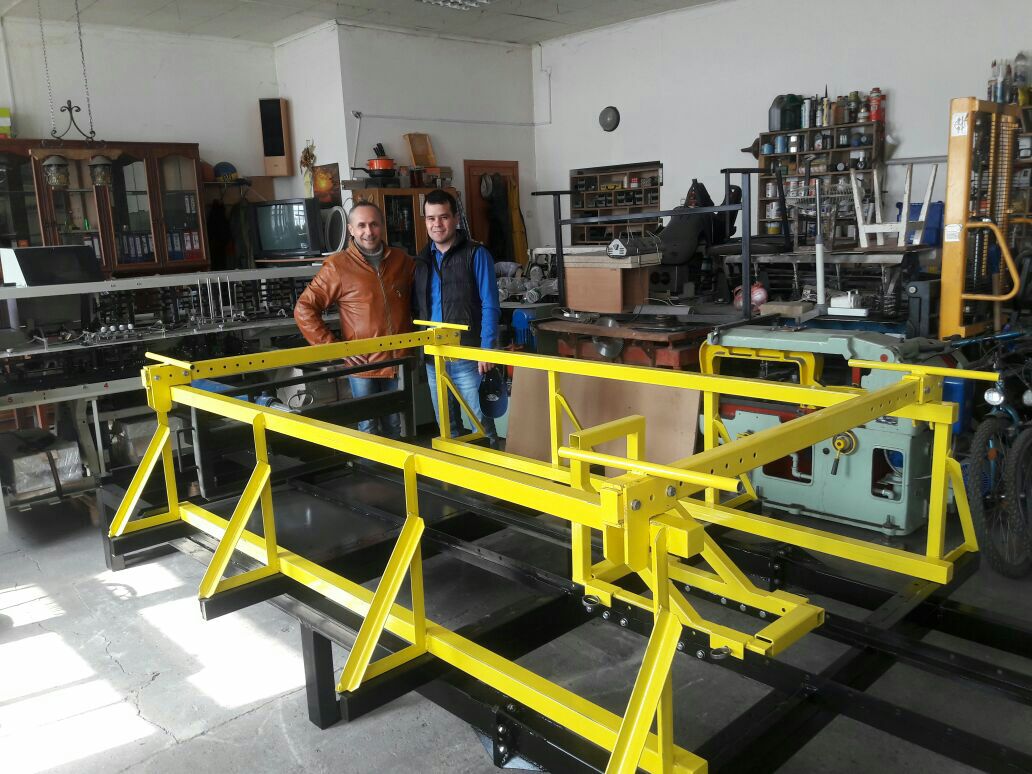
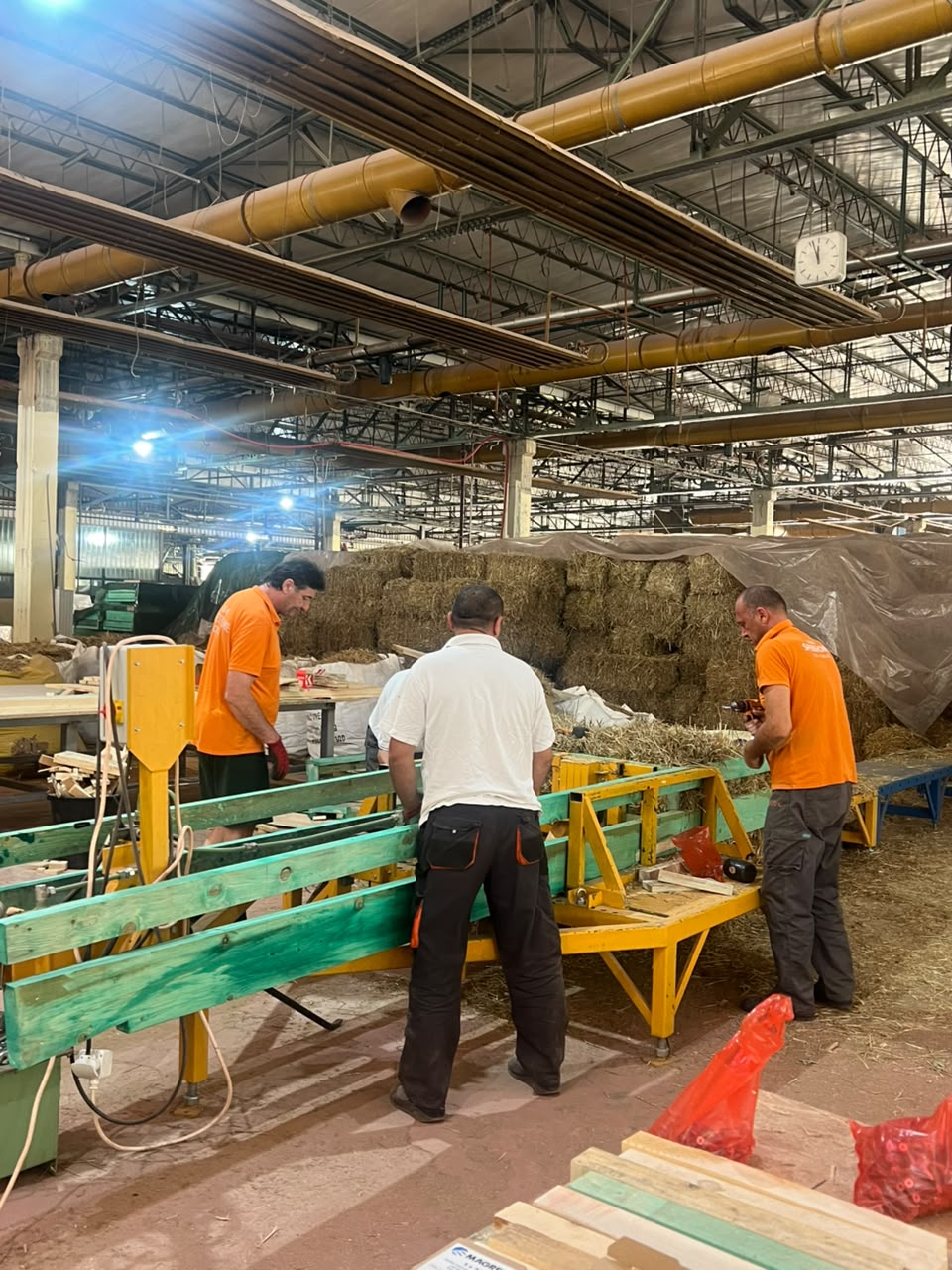
The Eco-Bud Telegram channel features photos and videos of active production facilities, panel manufacturing, partner training, and house construction.
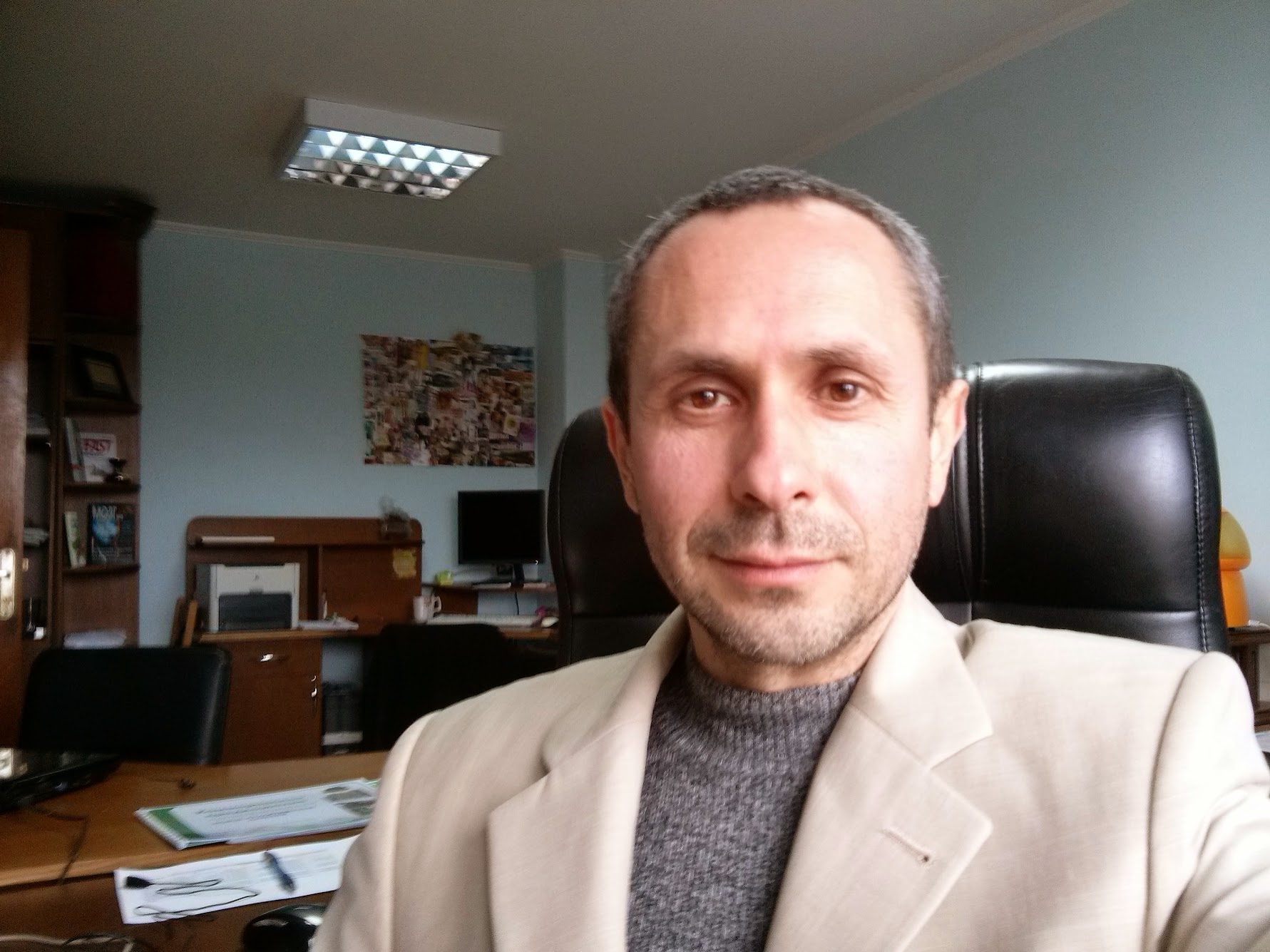
Structural engineer and owner of a construction company.
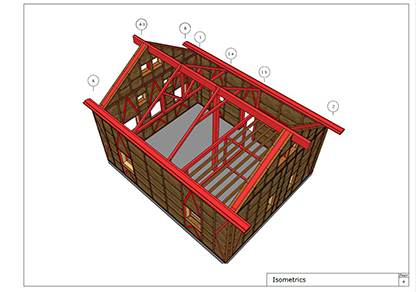
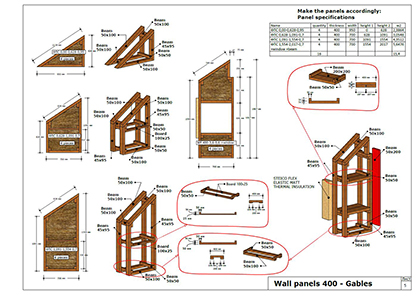
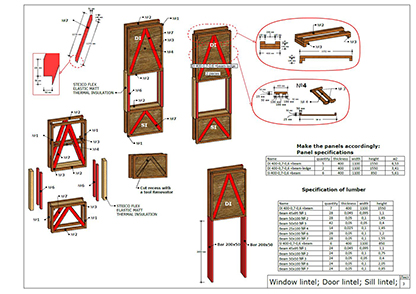
I will prepare the structural 3D model, panel layout, and assembly drawings.
I will help you set up production and train your staff in panel manufacturing and your builders in house assembly.
At every stage, you will receive consultations, working materials, and direct support from the creator of the technology.
POSITIONINGThere are no royalties, rigid regulations, or territorial restrictions. You get more than a documentation package — you join the Eco-Bud cooperation system and receive hands-on support in building and growing your own production.
| CONVENTIONAL FRANCHISE | ECO-BUD PARTNERSHIP |
|---|---|
| Royalties and recurring fees | A one-time payment for the selected model. An on-site visit by a specialist and any additional services are billed separately, only if the partner needs them. |
| Rigid control and regulations | You operate independently |
| Territorial exclusivity as a condition | There is no standard exclusivity; special terms are only set out in an individual agreement. |
| Standardised support | Direct, ongoing contact with the creator of the technology |
| Limited access to know-how | Full transfer of knowledge and accumulated experience |
History
Eco-Bud grew out of hands-on design and construction experience. It began with dozens of houses built, followed by the development of its own technology, its refinement, and the transfer of accumulated experience to other manufacturers.
01
Since 2002
Hands-on experience designing and building private houses. Working with different structural solutions and looking for ways to make construction more efficient, more technological, and more affordable.
More than 80 private houses built
02
Since 2012
The start of developing our own construction system from pressed straw panels. The first panels, presses, and houses. Gradual development of the panel design, production equipment, components, and assembly technology.
03
Next stage
Accumulated experience turned into a system that can be transferred to another manufacturer: documentation and drawings, equipment, staff training, production and assembly technology, consultations, and launch support.
04
Today
The next stage of development is transferring Eco-Bud's experience and technology to manufacturers in different countries through the Eco-Bud Platform: bringing together production facilities, builders, projects, and accumulated hands-on experience in one international system.
PARTNERSHIP PACKAGEThe first payment is the 'entry ticket' into a partnership with Eco-Bud.
A complete set of documentation and drawings for the selected production equipment model.
Access to Eco-Bud's hands-on experience in setting up straw-panel production.
Support in organizing production: from equipment selection and process setup to launch.
Consulting support with no artificial limit on the number of consultations.
Help avoiding mistakes — not just what to do, but also what not to do.
Room for further growth: upgrading equipment, moving to higher-capacity models, and reorganizing workshop logistics.
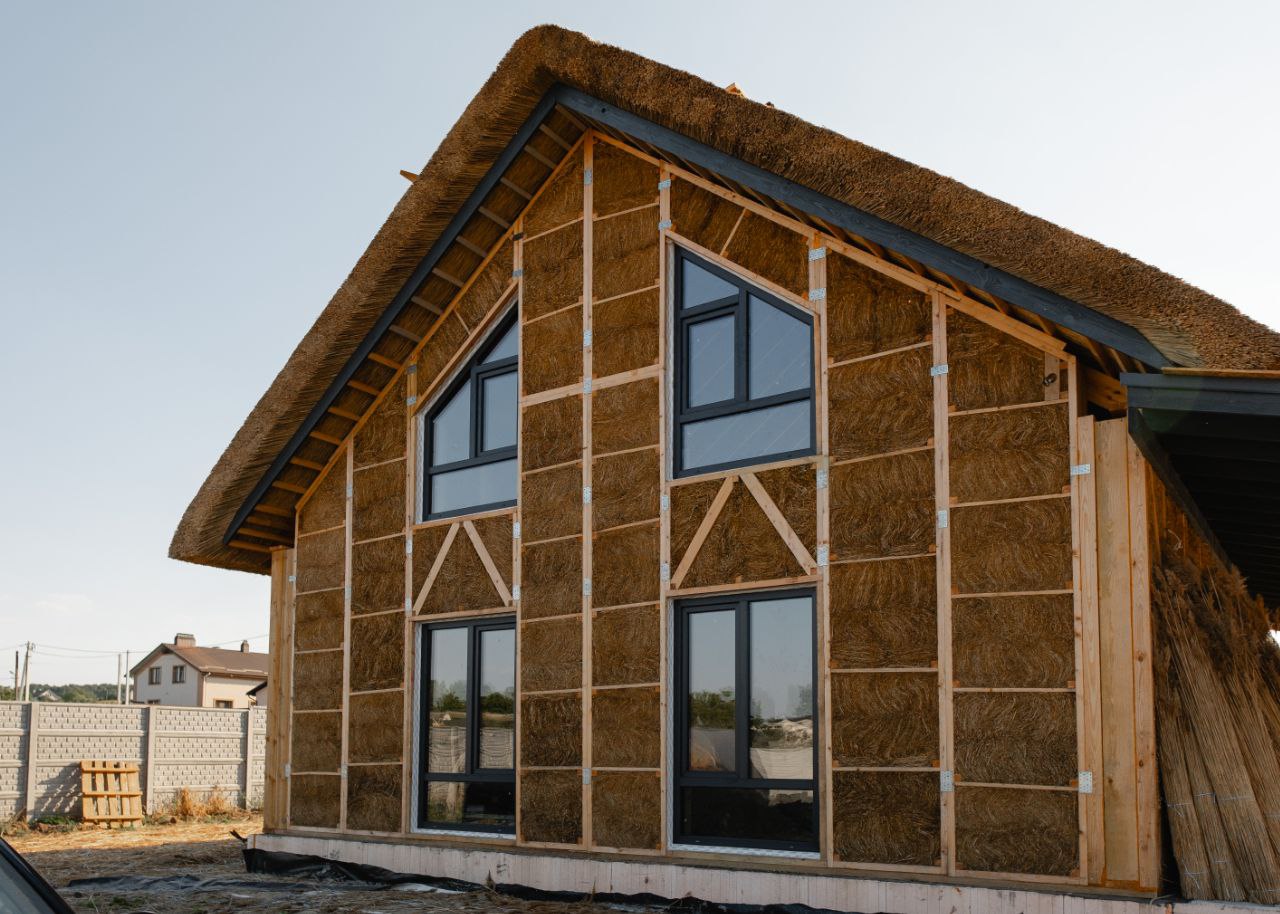
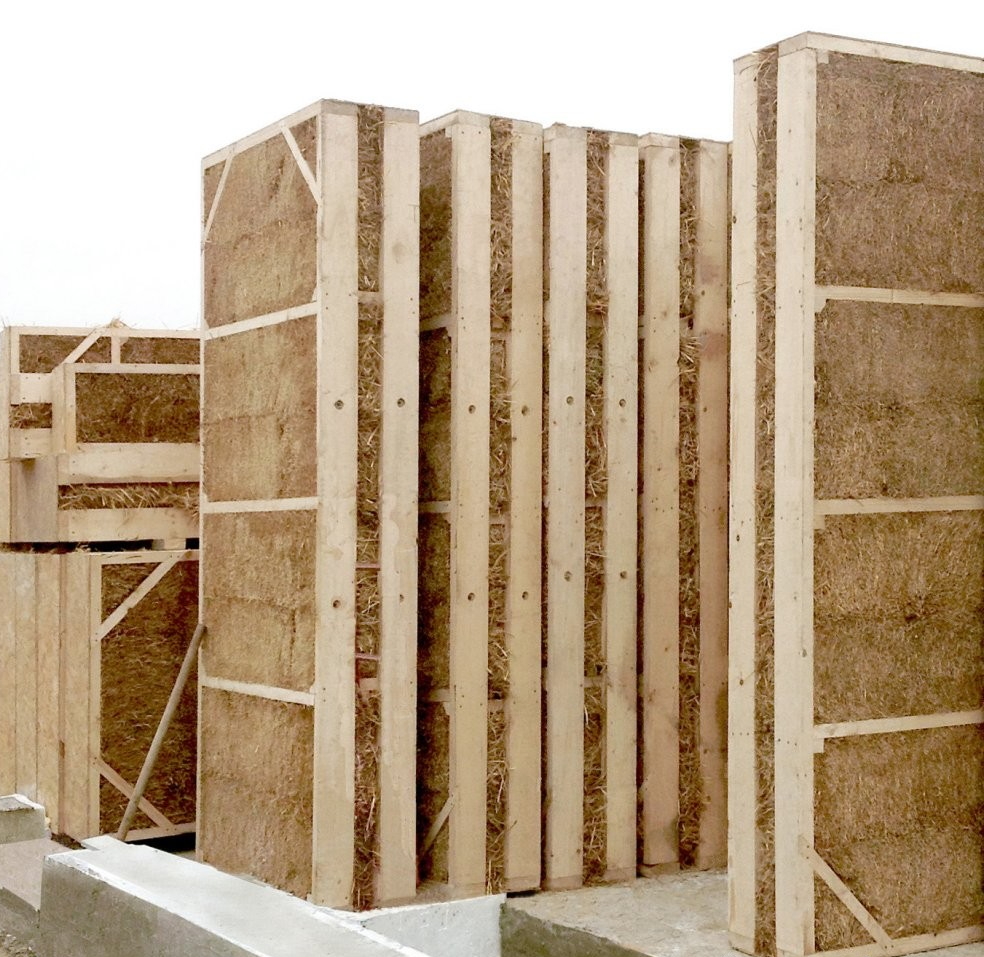
PRODUCTThe core of the technology is to assemble a house from a kit of straw panels manufactured at the production facility.
The house is made up of the following panel types:

Technical parameters
Equipment
The cost of transferring the technology I developed depends on the press model you choose. Choose a model to match your production volume. When upgrading, you only pay the difference in cost.
The cost of technology transfer depends on the press model you choose.
Model 1 — $1000; Model 2 — $1500;
Model 1 is stationary, for workshop use only. Model 2 is split into 2 parts and can be transported. This option is a cost-effective way to “try it out,” or to build your own house to save on cost.
Once you've achieved your goal with this press, you can rent it out (I'm often asked about this) or sell it on OLX (a classifieds marketplace).
After “trying it out,” launching your own business, and getting on your feet, you can pay the difference in the drawing cost and move up to a more professional press model.
The press was developed in 2012.
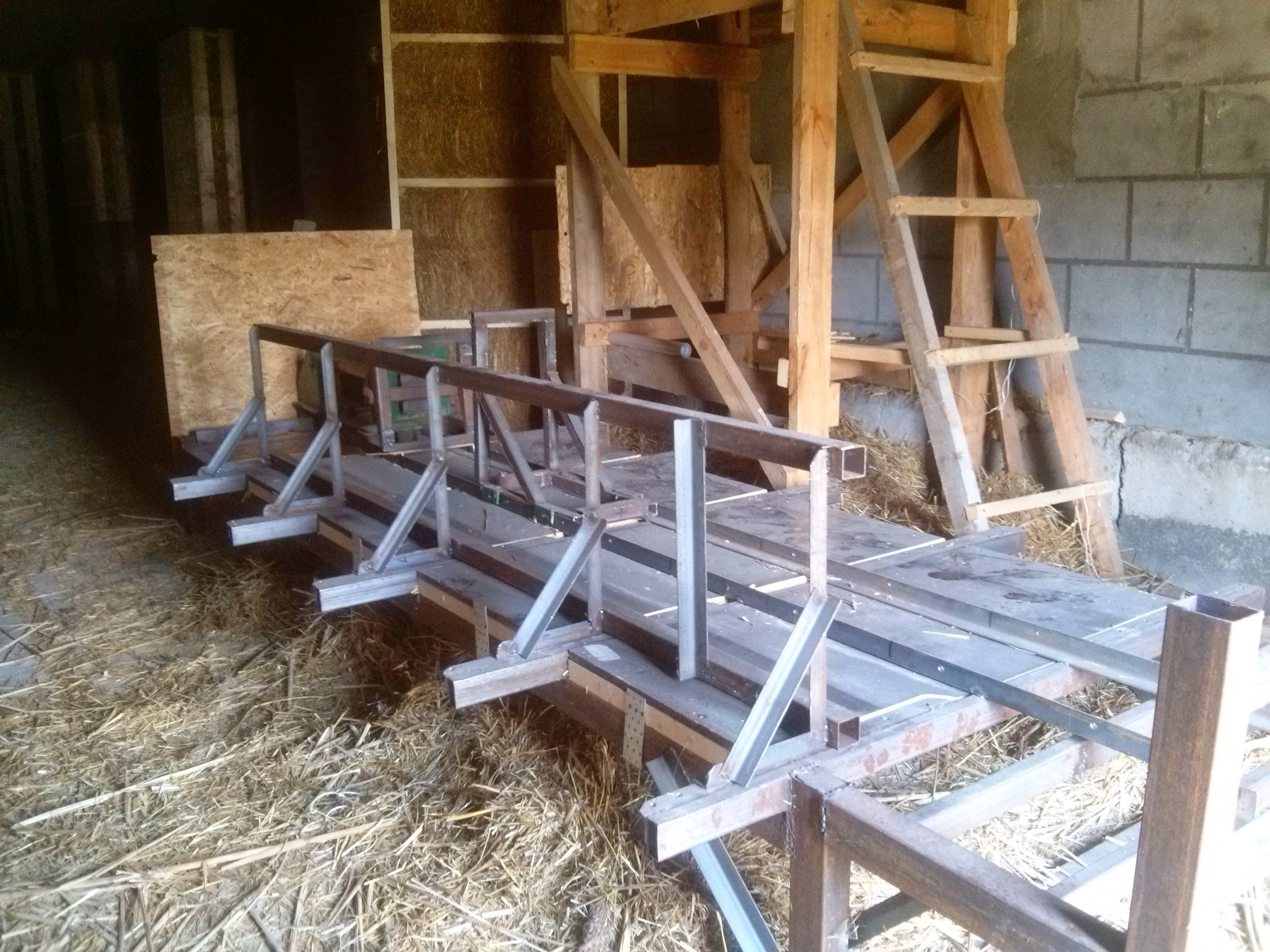
Pictured: the Model 1 press
• Can produce standard panels 400 mm thick (and non-standard 100 mm, 150 mm, 200 mm)
• Can produce panels from 0.5 m to 4.5 m long.
• Uses a hydraulic cylinder with a 0.8 m rod stroke.
• Pressed panel density: 100–130 kg/m³
• Operating staff: 2-3 people.
• Output: 4-6 panels per shift.
• Machine dimensions: 1764 × 1228 × 5528 mm.
• Power consumption: 1.5–3 kW (Both 220 V and 380 V).
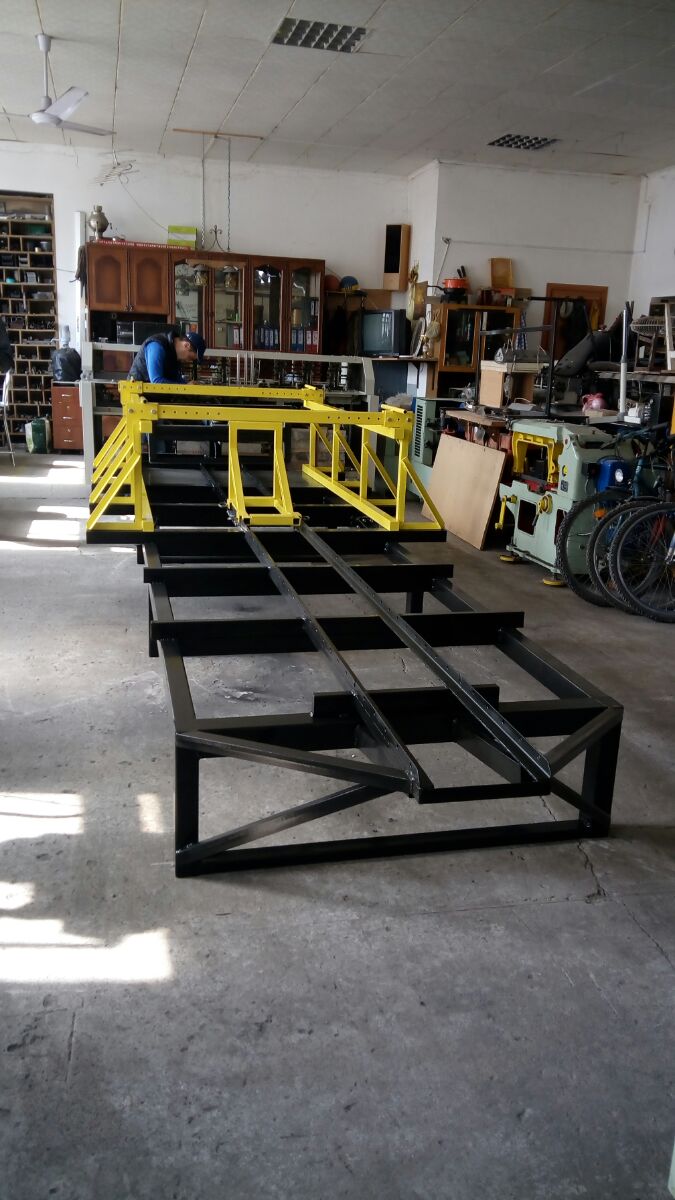
Pictured: the Model 2 press
• No equipment setup needed — assemble it and it works; switching from one panel size to another takes 5-7 minutes
• The machine requires a level concrete base
• Production workshop (ceiling height at least 6 m) — from 100 m².
• Raw material storage — from 200 m².
• Finished goods storage — from 150 m².
• It's best to buy straw baled at 450*400*900, since the machine is designed to re-press these rectangular bales.
• The straw density in the bales should ideally be the maximum the baler is capable of.
The cost of technology transfer depends on the press model you choose.
Model 2A — $2500;
The Model 2A press is designed for small business owners or for individual use when building your own house to save on cost. This model is easy to move from place to place — for example, closer to where straw is abundant (transporting straw is relatively expensive).
The press was developed in 2021, taking into account and correcting the shortcomings of the first models, for greater convenience and speed in manufacturing straw panels.
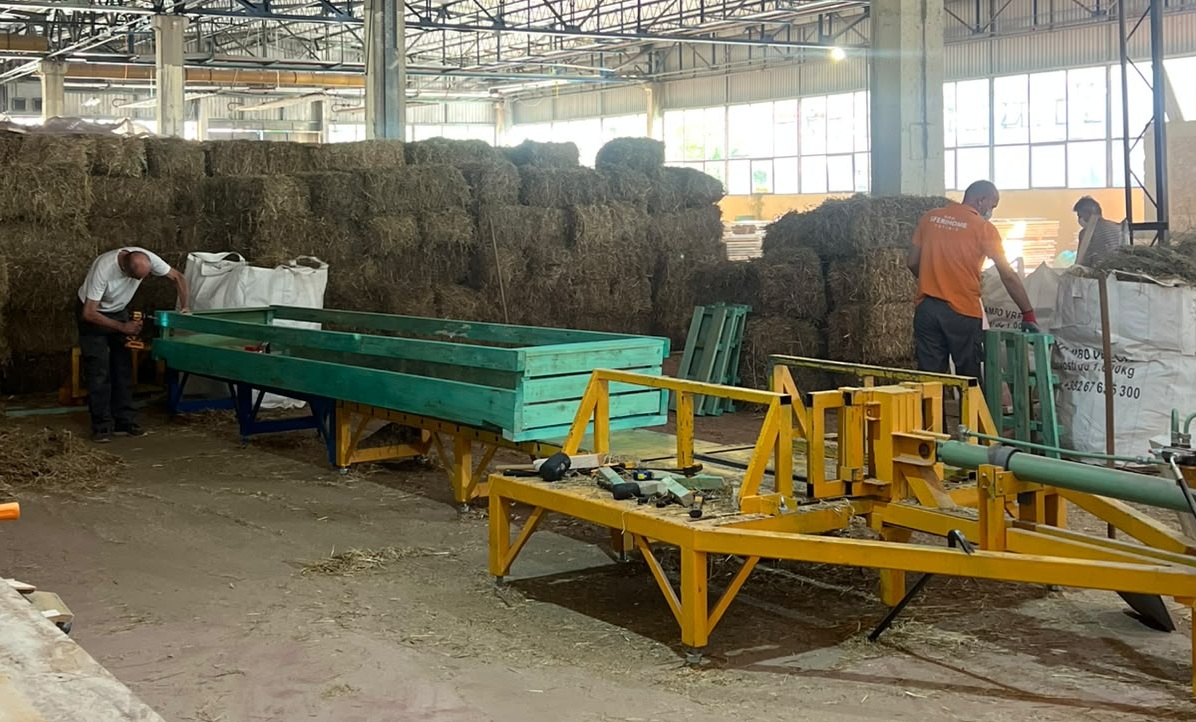
Pictured: the Model 2A press
• Can produce standard panels 400 mm thick (and non-standard 100 mm, 150 mm, 200 mm)
• Can produce panels from 0.5 m to 6 m long.
• Uses a 1 m hydraulic cylinder, which makes the work more convenient and faster than on previous models.
• Pressed panel density: 100–130 kg/m³
• Operating staff: 2-3 people.
• Output: 5-8 panels per shift.
• Assembled dimensions: length 7 m (10 m), width 2000 mm, height 1200 mm.
• Power consumption: 1.5–3 kW (Both 220 V and 380 V).
• Can be mobile-transported in a cargo van, since it's split into its main working units and assembles quickly.
• The pressing work-area table has been completely redesigned.

Pictured: the Model 2A press
.jpg)
Pictured: the Model 2A press
• The hydraulic cylinder's pressing element travels strictly along rails, which completely eliminates side-to-side and up-down play and makes it possible to press and secure the panel frame precisely.
• The sliding stops that set panel width are secured with a simple cylindrical pin — no threaded bolts. Now the guide width for the panel frame you need can be changed in just 1 minute.
• The panel frame is placed on a specially designed seat built into the sliding stop — the panel frame will no longer jam from misalignment as it did on previous models.
• The stop-travel table is 3 meters long, and if you make 2-3 of them, you can accordingly produce longer panels.
• The stop travels along the table and is secured with cylindrical pins into the side channel beam, which lets you move it to the needed length very quickly.
• The new version of the press eliminates parts that could bend or strip their threads over time in use.
• When disassembling and reassembling the press at a new location, it is very easy to level it.
The cost of technology transfer depends on the press model you choose.
Model 3 — $3500;
The Model 3 press is designed for a large plant with high operating load and output. This model is stationary, but it can be moved from place to place.
The press was developed in 2022, taking into account and correcting the shortcomings of the first models, for greater convenience and speed in manufacturing straw panels.

Pictured: the Model 3 press
• Can produce standard panels 400 mm, 500 mm, 600 mm thick (and non-standard 100 mm, 150 mm, 200 mm)
• Can produce panels from 0.5 m to 9 m long.
• Can be transported mobile, since it's split into its main working units.
• Assembled dimensions: Length 7 m (10 m and 13 m). Width 2000 mm. Height 1350 mm.
• Uses a 1.5 m hydraulic cylinder, which makes the work much more convenient and faster.
• Pressed panel density: 100–130 kg/m³
• Operating staff: 2-3 people.
• Output: 5-8 panels per shift.
• The pressing work-area table has been completely redesigned.
• The hydraulic cylinder's pressing element travels strictly along rails, which completely eliminates side-to-side and up-down play and makes it possible to press and secure the panel frame precisely.
• The sliding stops that set panel width are secured with a simple cylindrical pin — no bolts at all. Now setting the panel frame width is 3 times more convenient and faster.

Pictured: the press work area

Pictured: the Model 3 press
• The panel frame is placed on a specially designed seat built into the sliding stop — the panel frame will no longer jam from misalignment.
• The work-area table, like the other press components, is made from heavier-duty channel beam, tube, and angle solid sheet metal, which increases the press's durability and performance.
• The stop-travel table is 3 meters long, and if you make 2-3 of them, you can accordingly produce longer panels.
• The stop travels along the table and is secured with cylindrical pins into the side channel beam, which lets you move it to the needed length very quickly.
• The new version of the press eliminates parts that could bend or strip their threads over time in use.
• When disassembling and reassembling the press at a new location, it is very easy to level it.
Partner's Journey
Support
Once production launches, the partner doesn't go it alone. Eco-Bud continues to support production and keeps developing the shared system together with the partner network.
Production is live
01
A technical question arises
↓
Consultations on technology and production matters.
02
A new solution is available
↓
New proven solutions and improvements are rolled out to existing partners.
03
Practical experience is needed
↓
Practical experience from other production facilities helps solve day-to-day challenges.
04
A client enquiry arrives
↓
Production profile, projects, and client enquiries.
Quality
After production launches, Eco-Bud checks the quality of the first panels. A production facility that meets Eco-Bud's requirements receives verified manufacturer status and can be featured on the platform and receive enquiries from clients in its region.
01
The partner produces the first batch of panels.
02
Eco-Bud checks that the panels meet the requirements and the production technology.
03
After passing verification, the production facility receives Eco-Bud verified manufacturer status.
RESULT
A profile on the Eco-Bud Platform and enquiries from clients in your region.
Purchasing the technology and obtaining verified manufacturer status are separate stages. Eco-Bud can only recommend to clients a production facility that has passed quality verification.
Platform
The platform connects manufacturers with clients and real projects. Here you can showcase your production facility and its work, build up a record of completed houses, and receive enquiries from clients in your region.
01
Production
02
Work
03
House
04
Client
05
New project
01 · PRODUCTION
A dedicated manufacturer profile on the Eco-Bud Platform, covering production details, working region, and production capabilities.
Clients can see who will manufacture the panels for their house.
02 · WORK
Photos and a record of real production activity: setting up the workshop, manufacturing panels, first orders, and growing the business.
Instead of promises, clients see the real production process.
03 · HOUSE
The construction story of a specific house — from panel production to assembly and the finished building.
Each completed project gradually builds evidence of the manufacturer's experience.
Real work → trust
Clients can see the production facility, the process, and completed houses even before the first conversation.
04 · CLIENT
Clients reach out through the Eco-Bud Platform, and once the project is clarified, the enquiry is passed on to a suitable manufacturer.
The platform helps connect a client's enquiry with a suitable manufacturer.
05 · NEW PROJECT
A preliminary estimate helps the client understand the parameters of the future house and move from initial interest to a concrete discussion of the project with the manufacturer.
A new project means new work and another completed house: the production story continues.
More than a directory listing
Photos of the production facility, manufactured panels, and completed houses gradually build a public record of the partner's work. A new client may see this record even before the first conversation with the manufacturer.
Materials
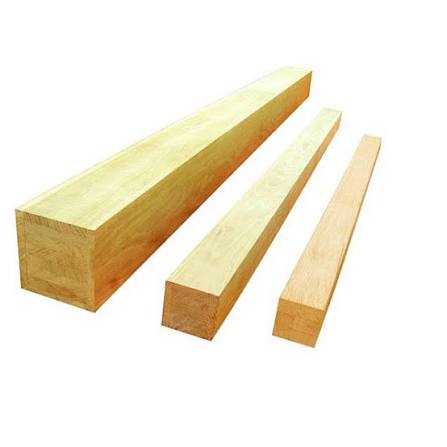
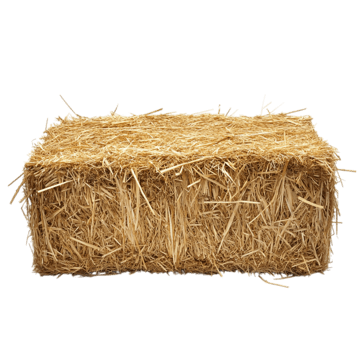
A standard 3 m² straw panel (400×1000×3000) uses a fixed quantity of materials. Calculate their cost in your country and divide the total by 3 to obtain the material cost per m².
Launch
Online format: video calls, step-by-step instructions, and technical documentation. Suitable for partners with construction experience.
The fee and conditions are agreed individually with each partner. The partner covers the specialist's travel, accommodation, and meals.
Workshop
Eco-Bud production can be set up in a standard industrial workshop. No purpose-built facility is required — only a well-organised workspace.


Process
I can adapt your house design for construction with straw-insulated panels — even from a reference image.
The service includes developing a full-scale 3D structural model.
Drawings for every type of straw panel required for the house.
Assembly drawings for the construction team.
I will provide guidance throughout panel production and house construction!
Timeline
Client System
TECHNOLOGY EVIDENCEThe use of compressed straw in modern panel systems has been studied, including by the University of Bath. The engineering evidence available to Eco-Bud indicates that compressed-straw construction has strong energy-efficiency potential and can be used in buildings designed for very low energy consumption, including Passive House level, provided that the building as a whole is designed accordingly.
Independent research into compressed-straw panel systems, including thermal performance, moisture behaviour, structural performance, fire resistance, and durability. The findings relate to the construction principle, not to specific Eco-Bud equipment.
Eco-Bud holds fire-test reports for its construction assemblies from 2015. Summary classification: REI 60 / M0. Detailed results are available on the technology and testing page.
Maison Feuillette (1920, France) and Pilgrim's Rest Church (1928) are historical examples of the long-term use of compressed-straw buildings. They demonstrate the historical principle and do not constitute a service-life guarantee for Eco-Bud.
GEOGRAPHY
The technology has been adapted for different climatic conditions and construction markets.
This list shows where the technology has been used; it is not a list of currently operating production facilities.
PARTNERS
The first operating Eco-Bud production facility. It manufactures panels for clients in Montenegro and other countries.
INVESTMENT
Partnership with Eco-Bud is an investment in equipment and knowledge, not a conventional franchise fee.
WHO IT IS FOR
Latest updates from the SferiHome production facility in Montenegro: real production stages, new orders, and panel manufacturing.
QUESTIONS
CONTACT
We will review your application and contact you for an initial discussion.